
In commercial film, branded content, and live productions, smooth execution never happens by accident. It’s a constant juggle of timelines, budgets, crews, and creative expectations.
Understanding what production management is is key to grasping the amount of work and responsibility it takes to produce a quality commercial.
It’s essentially the practical framework that keeps complex commercial productions moving from concept to delivery without chaos, wasted money, or missed deadlines.
The Strategic Role Behind Daily Operations
Production management sits at the intersection of creative vision and operational reality. It translates ambitious ideas into executable plans while keeping business goals in focus.
In a commercial environment, this role protects profitability, ensures client satisfaction, and keeps teams aligned in stressful and pressure-filled situations.
Planning and Scheduling for Commercial Productions
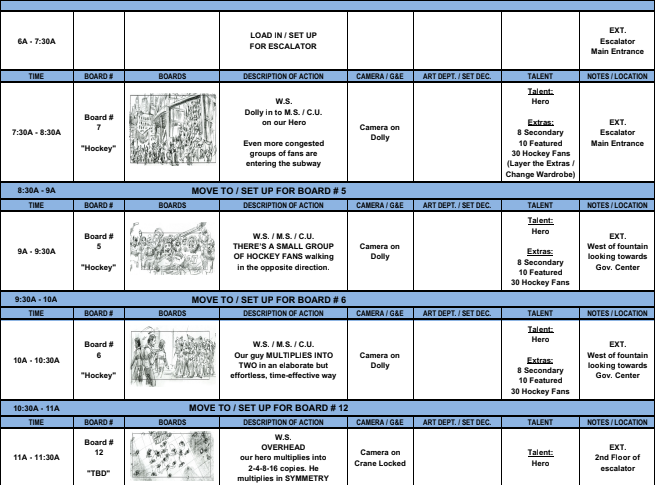
It starts with demand, deadlines, and deliverables. From there, production managers deal with schedules that reflect real-world constraints like location scouting and filming permits, crew availability, casting, production design, shooting schedule, and not going over budget.
Strong planning allows them to anticipate conflicts before they become problems.
A huge part of commercial production management is dealing with things on the fly and accounting for the space for things not to go according to plan.
Resource Coordination and Budget Control
Commercial productions rely on precise coordination. You have to manage equipment, talent, technical crews, and vendors while tracking costs in real time.
Production management helps you make informed trade-offs when budgets tighten or creative needs shift so that you don’t end up facing unpleasant surprises when it comes to the production budget.
Quality Control and Workflow Optimization
Consistency matters in commercial work, which is why production managers oversee processes that maintain visual standards, technical quality, and brand alignment across every stage.
By reviewing workflows and adjusting them continuously, they improve efficiency without sacrificing output.
Leading Teams and Aligning Departments
Production managers don’t work in isolation. They connect directors, clients, technicians, and post-production teams, while making sure that clear communication keeps everyone focused and accountable.
When challenges arise, they step in early in order to quickly resolve issues and keep momentum strong.
Managing Risk in Fast-Paced Environments
Commercial productions move fast, and setbacks can happen. Equipment failures, weather changes, or last-minute client feedback can disrupt plans.
That’s why production managers prepare contingencies and can make confident decisions under pressure.
Having clear protocols, backups, and decision authority helps them protect timelines, creative intent, crew morale, and client trust during unpredictable production days.
From Control to Competitive Advantage
Production management directly influences how clients experience your work. When operations run smoothly, creativity thrives and trust grows.
Knowing what production management is allows you to get the right person for the job and ensure that your production runs smoothly and that the end product is just what you imagined.
Ready to Elevate Your Next Production?
If you want commercial productions that stay on schedule, on budget, and creatively sharp, professional production management makes the difference.
At Run Da Show, we support end-to-end commercial productions with experienced teams, technical expertise, and seamless coordination that turns complex ideas into polished results.
Contact us today and start turning your vision into reality.